
Let’s get one thing straight: if your story’s a tree, than the subplot is a branch. It’s the unexpected limb that sticks out there the whole time. You just didn’t see it because of all the leaves, which are like the details of your narrative. If you’re writing fiction and you want your book to be a bestseller, you need to master the art of the subplot.
So, what’s a subplot? A simple definition is written in a larger font below. Think of it as the narrative’s side story, giving your characters extra dimension and your readers more reasons to binge-read. It’s the layers that reveal who your main character (MC) really is when life happens.
The Night Circus by Erin Morgenstern is a good example of a novel with compelling subplots. The central romance between two magicians is gorgeous. However, the subplots are just as interesting. There are rivalries among the circus performers. A young boy slowly faces his fate after he stumbles into the circus tent. There’s the mysterious clockmaker’s backstory, too.
Another great example is The Water Dancer by Ta-Nehisi Coates. The MC is Hiram Walker—a young man with a gift for “conduction,” teleporting slaves to freedom. His subplot journey is an awaited reunification with his mother, who vanished years ago. Every memory, every half-truth he uncovers about her life and his birth stretches out the plot.
A subplot might not change the main outcome, but it gives readers an opportunity to see the world through your MC’s eyes. Sure, you might get away without one in a short story—especially if you’re laser-focused on a single, powerful theme. Yet, a novel without a subplot? That’s like a playlist with only one song.
A subordinate plot in a novel, or similar work.
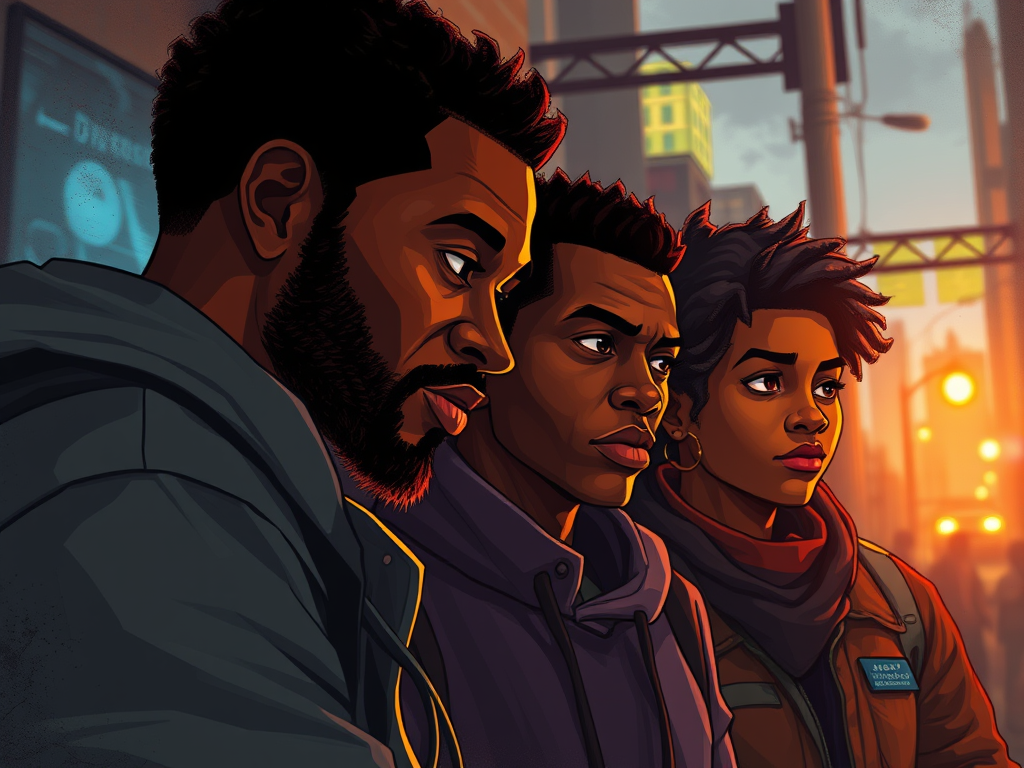
You know that saying, “If it ain’t one thing, it’s another?” That’s real life—and it’s what makes stories feel authentic. Imagine a world where nothing ever happens except the one thing you planned. Boring, right?
Living in a world with just nouns is flat. A hat, the moon, a doctor. Verbs set nouns into motion. Yet, adjectives and adverbs make stories amazing. That’s how subplots work! The plot brings a beginning, middle and end into existence while the subplot brings the narrative to life. They let your characters live in full color, not just black-and-white. As Whitney Hemsath puts it:
“Main plot is the what. Subplot is the why.”
Let’s break down why a killer subplot is your book’s secret weapon:
1) Story Dynamics—Ever had one of those days where everything happens at once? That’s the energy a subplot brings—realism, unpredictability, and momentum. Life doesn’t follow a single track, and neither should your story. Subplots mimic that “always-on” hustle and keep your pacing alive.
2) MC’s Growth— Subplots force your main character to face side challenges, make tough choices, and reflect on what really matters. This is where the character arc gets juicy. Readers don’t just see change—they feel it, like they’re growing alongside your protagonist. That’s real engagement.
3) Raises Stakes— A subplot turns your story into a high-stakes game. Suddenly, your hero isn’t just chasing love or justice—they’re also risking friendships, careers, or their own identity. These extra complications are what keep readers glued to the page, desperate to see how it all shakes out.
4) Subtle Twist— In thrillers, subplots are where red herrings hide. In every genre, they’re the misdirection, the clever sleight-of-hand that keeps readers guessing. Subplots offer a narrative breather from the main action while discreetly setting up those jaw-dropping twists.
Here’s why this matters: Readers crave stories that are believable, have depth, and immerse them into an unforeseeable well-written adventure. They want the full experience—every setback, every breakthrough, every side quest. A well-crafted subplot is the difference between a story that’s just “meh” and one that’s totally phenomenal. So, start brainstorming your killer subplot now—and watch your story go from basic to unforgettable.

Thank you for reading K.B. Krissy’s blog. Feel free to tap the like 👍🏾 or repost 🔁.
References
Oxford Languages. (n.d.). Definition of [Subplot] [Google Search]. Oxford University Press. Retrieved February 19, 2026, from https://languages.oup.com/google-dictionary-en
DIY MFA. (n.d.). Why your book needs a subplot.https://diymfa.com/writing/why-your-book-needs-a-subplot
Hemsath, W. O. (2019, October 14). Subplots: Purposes, types, and examples. https://whitneyhemsath.wordpress.com/2019/10/14/subplots-purposes-types-and-examples
Discover more from K.B. Krissy
Subscribe to get the latest posts sent to your email.
