9.) JUMP INTO SCENE (Start scene late/close to action)
10.) Get to know the CHARACTER(S) through THOUGHTS & DIALOGUE
11.) Start sentence CLEARLY & END it GRACEFULLY
12.) WRITEACTIONS
13.) End SCENEearly
An artistic arrangement of open books, a journal, a smartphone, and a laptop amidst colorful bookshelves, symbolizing creativity and storytelling. AI generated.
14.) Use METAPHORS, CHIASMUS, PARADOX, PERSONIFICATION, SIMILES, EXPRESSION, ONOMATOPOEIA, INTERJECTIONS, slang & accents in DIALOGUE (conversational terminology, with respect to language & culture)
15.) Use vivid COLORS
16.) EXPANDVOCABULARY (use a variety of words accurately)
17.) FREE MODIFIERS: PRESUMPTIVE & SUMMATIVE
18.) SENSORYDETAIL
19.) ACTIVEVERBS & STRONGNOUNS
20.) Manipulate TROPES
21.) Establish what’s IMPORTANT to the MAINCHARACTER(S) (MC) in the beginning. Let the READERKNOW what THESTORY will be about in the FIRSTCHAPTER.
A vibrant digital illustration capturing a group of diverse individuals engaging with books, technology, and music, surrounded by roses and musical notes. AI generated.
Thank you for reading K.B. Krissy’s blog. Feel free to tap the like 👍🏽or repost 🔁.
If you could have something named after you, what would it be?
I’d own a coffee shop. It would be the best spot ever—for bookish type people, that is or coffee lovers.
AI Generated Image-AI King
The inside would have murals and mosaics on the wall and a medium sized library for everyone to check-out books. I’d have a storytime area with carpet, a grand recliner, and children’s books for the little kiddos. I’d have the best coffee drinks on the planet, healthy snacks, vegan options, and all the pastry works. Maybe even pies, so my shop would smell good. I’d have live music and special events, like hosting book tour gatherings on the weekends. It would be the bomb.com. (I gotta buy that web address. Lol!) One day my friends . . . One sweet day! 😉
I’ve got a question for you: What kind of stuff do you like reading? If you’re an author, what kinds of books do you like writing? I’m curious to find out what draws your interest. Leave me a comment in the reply section and let me know. Until then, I’m happy to share with you the types of material I’ve been consuming, here lately. I must warn you, I’m a serial reader. Here is everything since January.
Just Finished
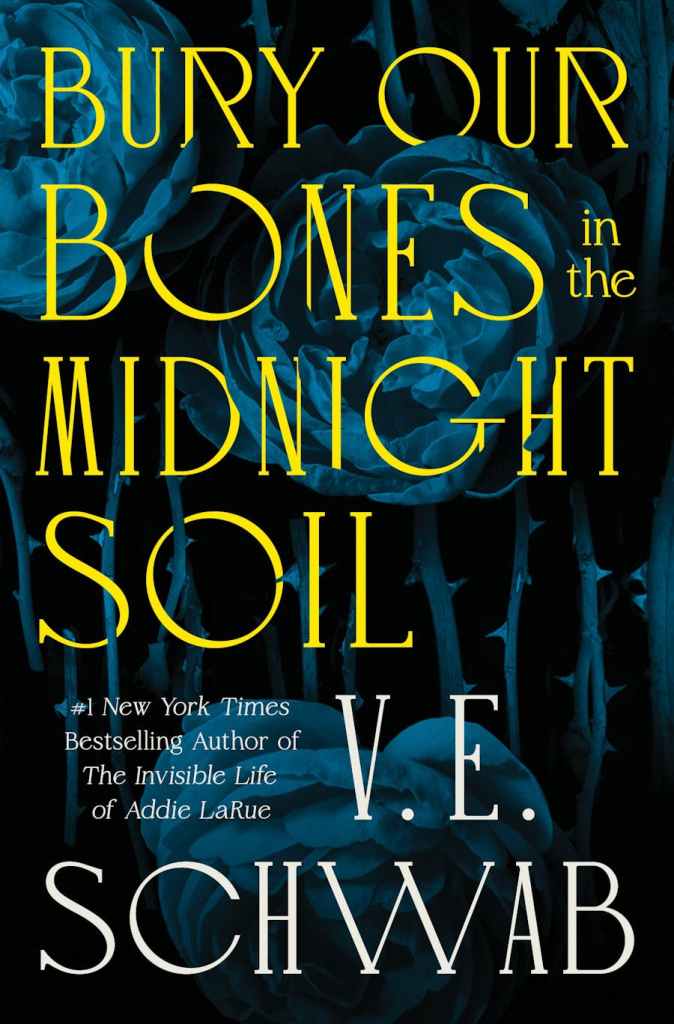
Burying Our Bones in the Midnight Soil
‘Sapphic’ (lesbian) is the trending label that fits this type of book to a tee. The plot was a little dry and jumpy. However, the style of the tale is gothic. The genre is obvious—dark fantasy. It’s not too much of a horror story and it’s from a woman’s POV. Every part of it. I liked Alice from Scotland, though. I was cracking up laughing when she was scared to open her mouth and talk because of her accent while she attended school in Boston with the mean girls. Maria’s story was the best of them all. Then I think she died in the midnight soul and became Sebean? I’m still not sure. Yet, that was the idea. You bury yourself in the midnight soil when you want to become a vampire, looking and living differently—drinking blood 🩸 periodically. Unfortunately, the storyline started strong and then dwindled.
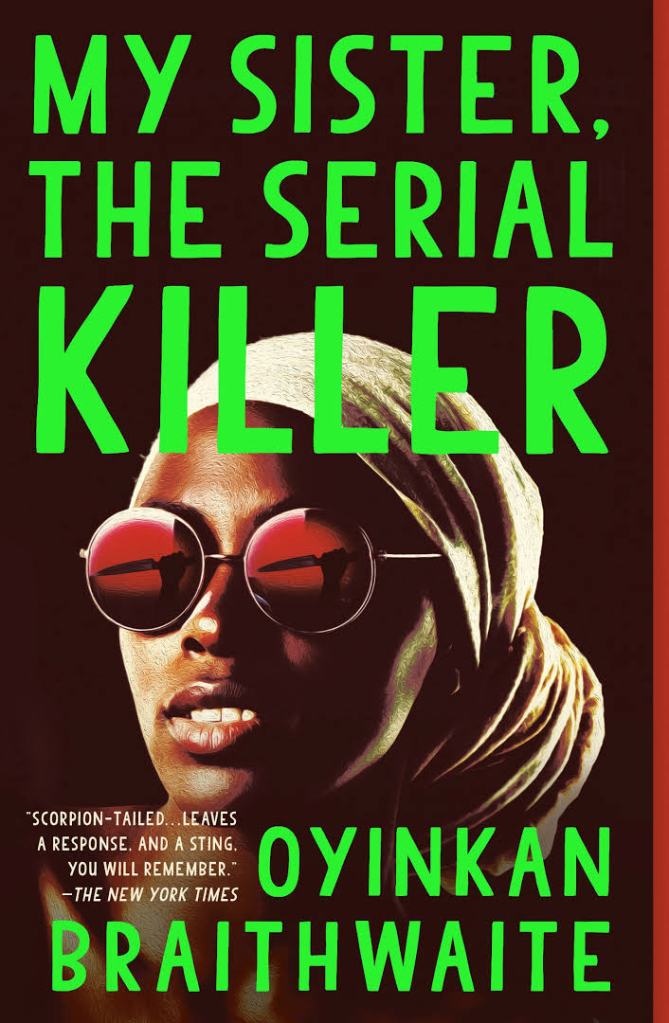
My Sister, the Serial Killer
Nigerian novellas get me high! Most of what I read from them is amazing. I like the names. This short story is so rich and full of Nigerian culture, particularly in Logos. I like what the male character said about hearing the sound of the city, in regards to music and dialect. The corporal punishment in this narrative was performed with a wooden stick, though—😳
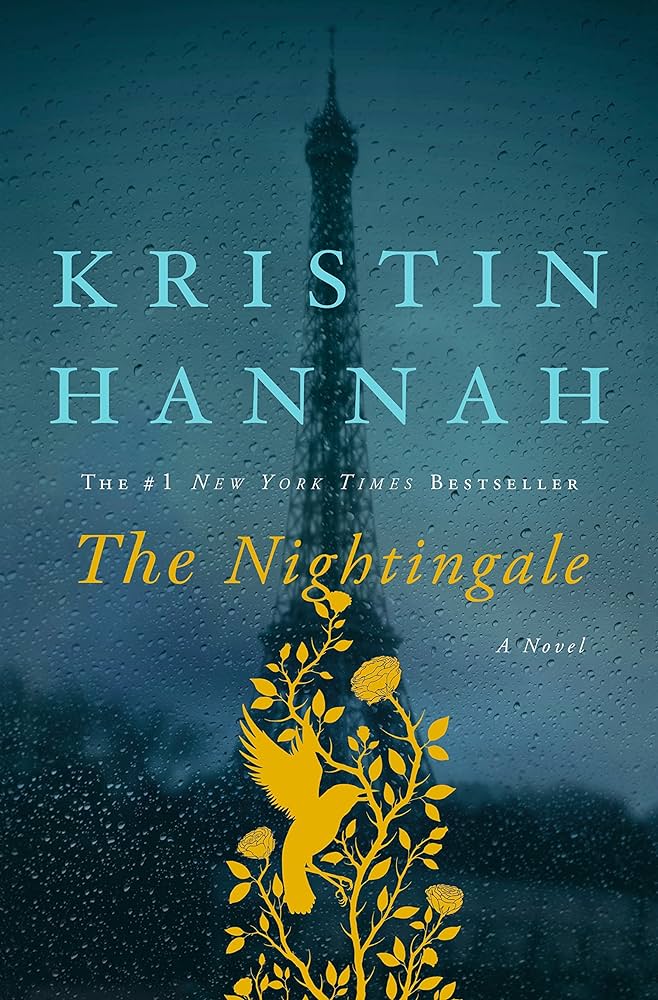
The Nightingale
I loved this book. It was about World War II and the power of resistant women, undying love, and doing the right thing. This work of literary art portrays the virtue in women and our care-giving culture. The book is well-written, as to be expected from Hannah’s noteworthy literature. Just beautiful! 😍
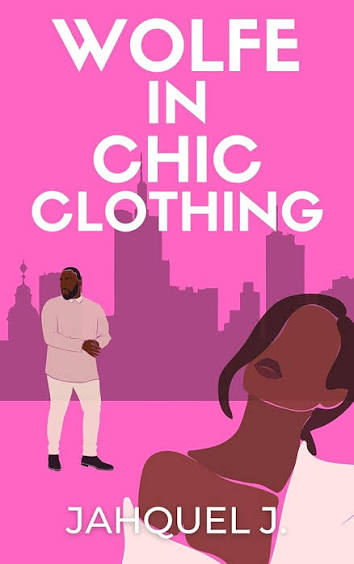
A Wolfe in Chic Clothing
This is book 1 as part of a Black billionaire romance series. You know, the billionaire romance genre? This book portrays black prosperity. Even the title is swag. The characters are so realistic that everyone can relate to them. I love the way Jahquel J. depicts the successful Black male CEO main character (mc). He’s kind to women and understands his own people. Socially Intelligent, Responsible, and Simplistic. That’s Mr. Wolfe! Their relationship is an office romance. The thrilling part was reading how they kept their relationship a secret from everyone else at work. It was refreshing to read about him being on her side in the workplace. This is not really how the workplace goes. Yet the two MC’s thoughts, actions and dilemmas were still spot on. J paints a nice literary portrait of a successful Black couple in a health relationship. Of course, this takes place in Atlanta. Lol!
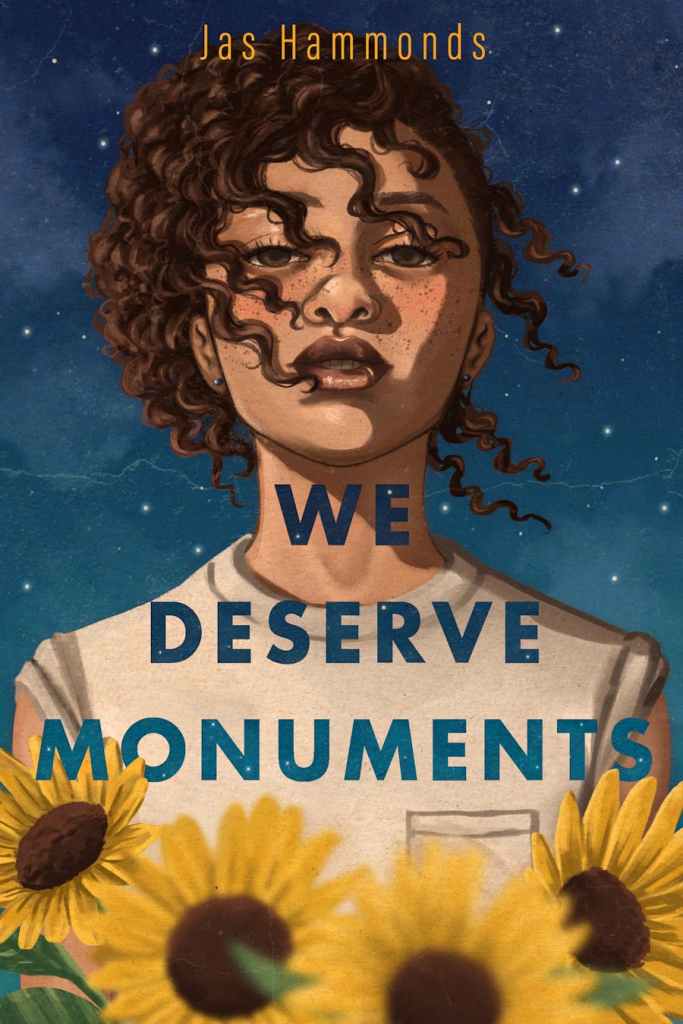
We Deserve Monuments
I bought this book based on the cover. A mixed race teenager is front and center, so I figured the narrative would have mixed issues as a topic. However, there are only a couple of mentions of racial identity. The novel is about a young women, high school age, close to graduating. The novel’s genres are new adult and LGBTQIA+ (or sexual orientation). The main character goes to visit her dad’s side of the family for the summer. I believe it’s somewhere in the South. Present day. The novel wasn’t for me, that much. However, it’s a good story for youngsters.
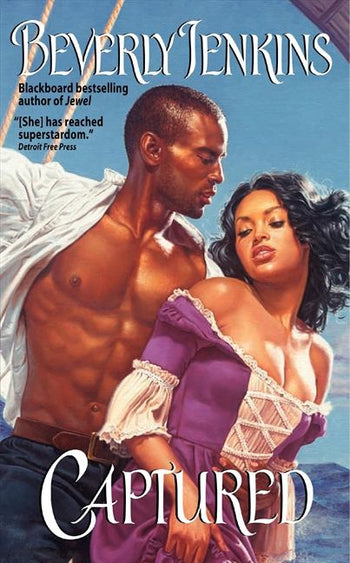
Captured
I might have read this out of order and so this is my fault. This tale had a lot of promise, but somehow it fell off to me. Yet, Jenkins’s love making scenes are very graceful, written in sweet poetic language. That makes me want to read more of her work because she’s so eloquent, as an author. Old-school. Love her style. If I were to write about sex I’d take a note out of Jenkins’ books. She describes intimacy and passion verses EVERYTHING ELSE.
NovelsReading Now
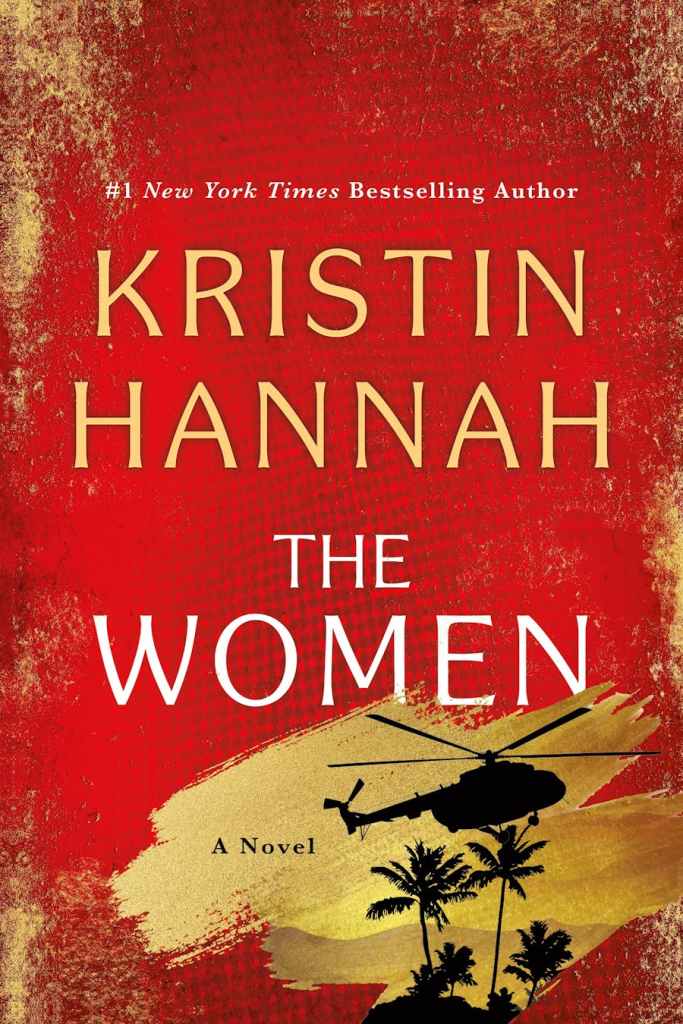
The Women
Kristin Hannah is killing the women’s and historical fiction game. She slays! Her novels make me proud to be a woman. This novel was a good example of what Vietnam was like for women, specially in the WAC (women’s army core) or a combat medic (nurse, time period). She gives a good description of PTSD and what they were calling ‘shell shock’ back in the day. God, Vietnam was horrible! That was a war! I’m still enjoying this book and I’m almost done with it. I can’t put it down!
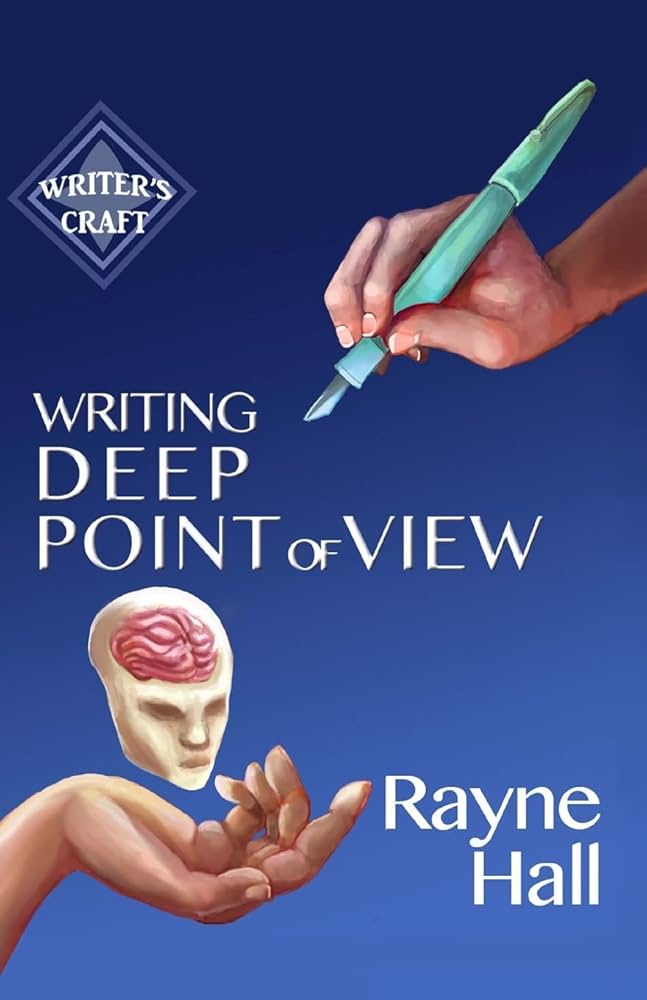
Writing Deep Point of View
Short Educational Non Fiction: I’m still trying to get through this. It’s kind of dry, but it’s educational. So, I’m going to keep reading. Give me a few minutes, and I’ll be done with it . . . just finishing up . . . ok, I’m done with it. This is a simple read, I snagged off Audible. I’m planning to listen to the whole library of Rayne Hall books. I read stuff like this to learn how to be a skillful author.
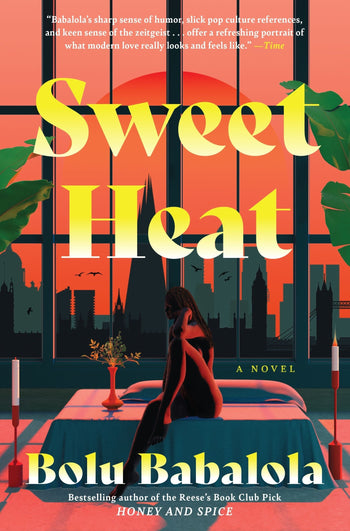
Sweet Heat
This story hasn’t let me down, thus far. It’s very sweet heat. Yes, it’s about passion, lust and temptation—yearning for someone’s love. There’s a circle of friends. It’s a wedding. Everything is going on and the main character is falling for her ex, again. I’m truly enjoying it, so far. I love the rich Nigerian/Black American vernacular, like, “Hey, sis!” That’s something that Black women say. This novel is super cute. I love it! It gets five stars, already! I’m not even done with it, yet.
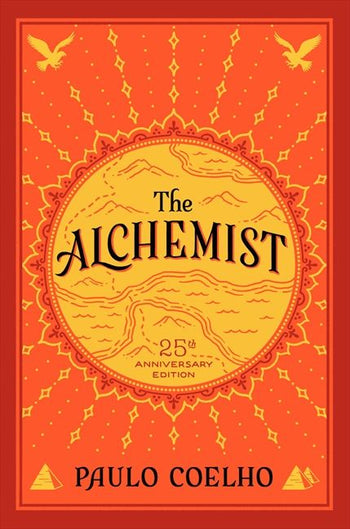
The Alchemist
Short Literary Fiction: This book is about lessons in life. I have not finished it yet, but this is a short read. So give me about an hour or so and I’ll complete it. It’s pretty good thus far—it’s clear. This work of fiction is meant to make you ponder about the choices you make, your dreams and what you spend your life doing. How much does it mean to you? The overall message I get is to consider my purpose.
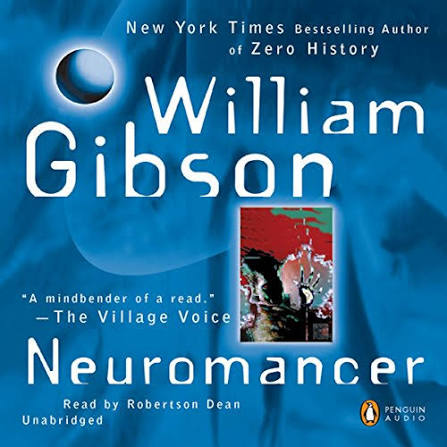
The Neuromancer
My reason for reading this book is because I’m writing my own high-tech world book series, with a lower level aspect. It’s also a futuristic speculative fiction novel. I wanted to read a cyberpunk story that was one of a kind or one of the first to be Americanized, considering that the cyberpunk genre derived from Japanese culture. So far, the plot is a little hard to follow. I think it’s because of the terminology. You know how when a person invents gadgets and gizmos and give them a name? That’s what I mean when I say it’s hard to follow because I don’t understand all the vocabulary used in the book. However, it takes place in Japan with Japanese people and a white male. I do really dig the Japanese setting. Reading this book is an attempt at opening my mind to other types of genres.
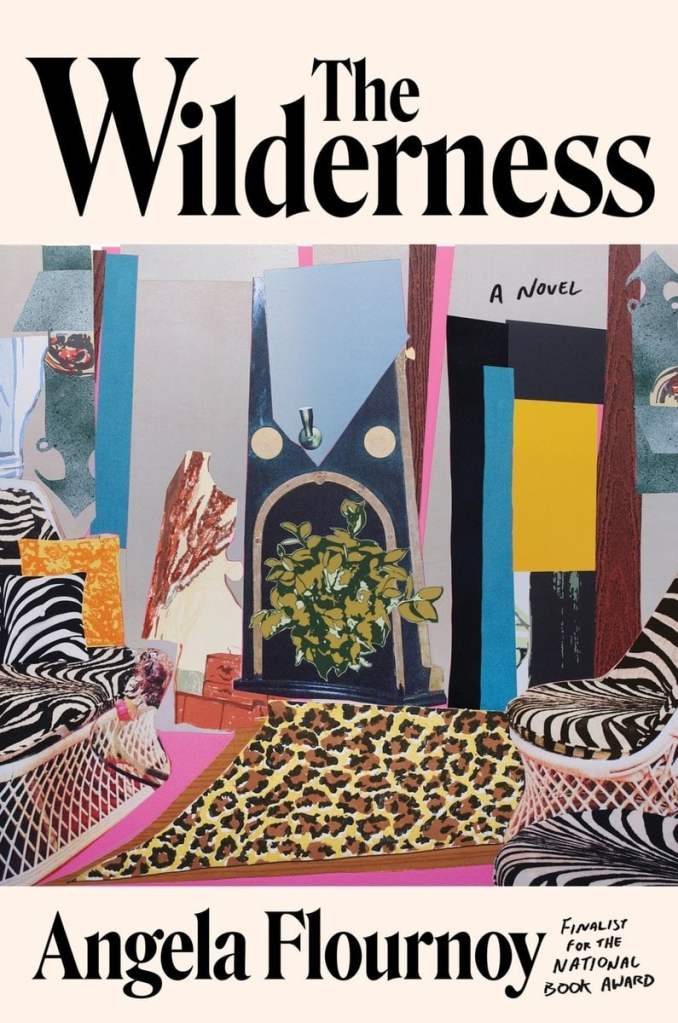
The Wilderness
Great Black read! The author is up-to-date with the social climate. The best thing about this novel thus far is that the reader gives you a lot of little glimpses of different locations. I enjoy Flournoy’s style of writing because it provides a lot of settings. The main female character gets around. I like that she’s so well-traveled. Still reading this.
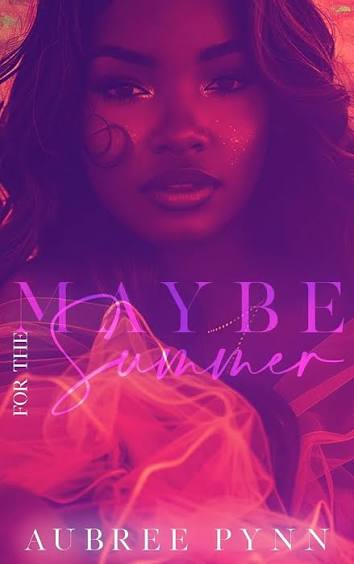
Maybe For The Summer
I’m still in the beginning of this one. I think it’s going to be good. A hood story—no doubt. Yet, it’s more like a feminine love aspect and a man’s POV of falling for a woman. The strength of men and the power of good sex. That’s the vibe! What drives the characters in this saga is money and nothing else. Nothing comes between the main character and moola—but love. Sex is the gateway. Looking at the cover of this book, you can kind of tell there’s going to be some sex. I think the plot is somewhat realistic because this kind of scenario often happens. So far, I’m enjoying it.
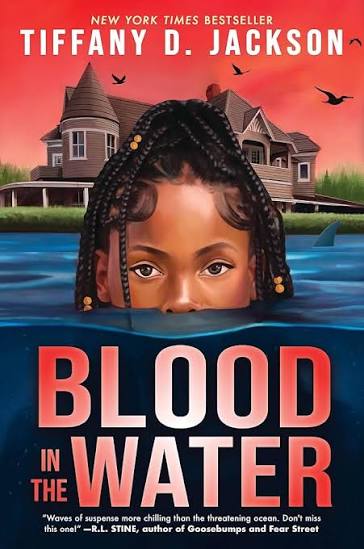
Blood in the Water
First off, I must say I love that Tiffany D. Jackson is innovative enough to mash together a thriller and a young adult novel. She does a good job of it! Her books are appropriate for a kid audience, yet they’re still intriguing enough for an adult. Her work is not just young adult, but tween fiction, like middle grade kids. A number of Jackson’s novels are PG-13 maturity level with realistic danger and some of her books are geared towards a new adult audience. The plot in this one hints at water phobias and survival. I love the way the author creates young people and opens their mind to be able to interpret adult situations at their own level of understanding. Who would’ve thought—middle school grade thrillers? Submerging those two genres together turned out to be a brilliant idea. I’m in the middle of this book, more towards the beginning.
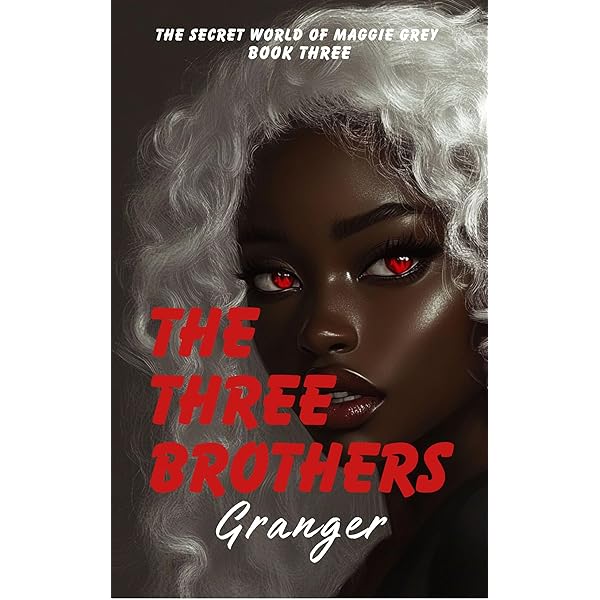
The Secret World of Maggie Grey: A Dark Academy Fantasy
I had to open my mind to this book. I purchased this one based on what the cover looks like. There’s a Black barbie doll with long white hair and red eyes. I thought it was a creative looking cover for a book. I was like . . . what’s this going to be like? It’s some freaky shit. Weird? Yes! It’s very different, but it’s creative. If not anything else, it’s similar to Harry Potter’s wizard school. The big difference is that it takes place at a historically Black college/university (HBCU) that’s a dark secret academy (dark academia). Not everyone can find or see the school. It’s a magical world, you know? Very cool! I’m looking forward to finding out how creative the author can be. This is book one in a series.
There are several new books I want to read, too. I figure I owed it to Beverly Jenkins to get into one of her series. So, I’m starting with book one. I believe it’s called Night Song and I’m gonna read that series all the way through. Chimamanda Ngozi Adichie has a new book out called . . . I have to look it up . . . Dream Count. I’m sure it’ll be good. I haven’t even read the back, but most of her books are prolific. The last thing I read from her was We Should All Be Feminists.
Another book I’d like to get into is The Great Alone by Kristen Hannah. I read Goals by Alexandria House. Loved it! I need to read more books by her. There are a couple others like Assist and Holding that I’d like to read. Books by Jahquel J—she’s another one. Her books are very Black and urban fiction. I’ve fallen in love with Before I Let Go series by Kennedy Ryan. I can’t wait to start book 2, Can’t Get Enough. Also, the male authors. I need to pick up some more Napoleon Hill. I also need to read The 48 Laws of Power. I’ve heard that’s a good one. Last but not least, The Godfather of Horror—Stephen King, I need to pick up another one of his books, too.
That’s it for me folks. I’m all read out. I hope you enjoyed my bookshelf and don’t forget to leave me a comment. Let me know what you’re reading. ‘Til next time, take care! 😃
Thank you for reading K.B. Krissy’s blog. Feel free to like 👍🏽, leave a comment, or repost 🔁.
Hello great woman! You did good in life! Beneath the sky’s quiet hush, your footprints glow. You did a lot! Stars whisper your name in silver code. You’re so strong, smart and beautiful. A storm wrapped in silk, unbreakable. Resilient. I’m sure you’ve accomplished your dreams or died trying. Either way, the wind still carries your laugh. This world wasn’t for you. Yet it bent, just once, to your wild pulse. You did the best you could with what you had. And the earth remembers every bruise you turned to bloom. You’ve made lemonade out of lemons. Sour gold, poured slow into dawn. You persevered. Like roots cracking stone, patient, inevitable. Now you can just be. Rest now—your shadow still dances. You’ve earned it. The universe owes you a long, soft exhale. Thank you for all you’ve done for the world. Your hands left light on every door you touched. Thank you for your good heart. A lantern no night could snuff. Thank you for your kind ways. They ripple still, like pebbles in a river’s dream. Thank you, God! For the quiet miracle of your stubborn breath. Thank you mother and father for creating me. From your bones, a poem learned to walk. May my legend live on! And when the last echo fades—let it be mine.