The AUTHOR Marathon: Hone Your Craft Like an Athlete

Throughout my years of writing, I’ve learned that developing a novel is like running a marathon. It doesn’t even have to be a manuscript. If you’re creating a book of any kind, there’s a lot of work involved in making it spectacular. First things first, you have to come up with the idea. What will your book be about?

Becoming an author isn’t for those with the faint of heart. Making a book into a bestseller is definitely for those writers in the race for the long run. Even after you finish writing your novel, down to the last period, the revision process is like jumping over hurdles. It’s a killer, if you haven’t trained for it. It’s like you have to get a taste of what to expect before you can really call yourself an author.
Yes, your author career can happen in a variety of different ways. You can be independent, which people like to call ‘vanity publishing’, but I don’t like that terminology. It’s pure mockery. You can work with a small press, hybrid publisher, or traditional publisher. Today there’s so much to choose from, which is great!

Yet, all of your drafts, revisions, and edits still have to be done. Trust me! The work that you give your heart to still needs to be fixed, to include that one little comma that’s superficial, but grammatically correct. All of the proofreads, alpha/beta reads and brutally honest reviews still have to happen, regardless of how good an author you are. Then there’s the marketing… well, that’s a whole other project that I’d rather save for a different post. That’s more like another job—part two (if you’re an independent or author entrepreneur).
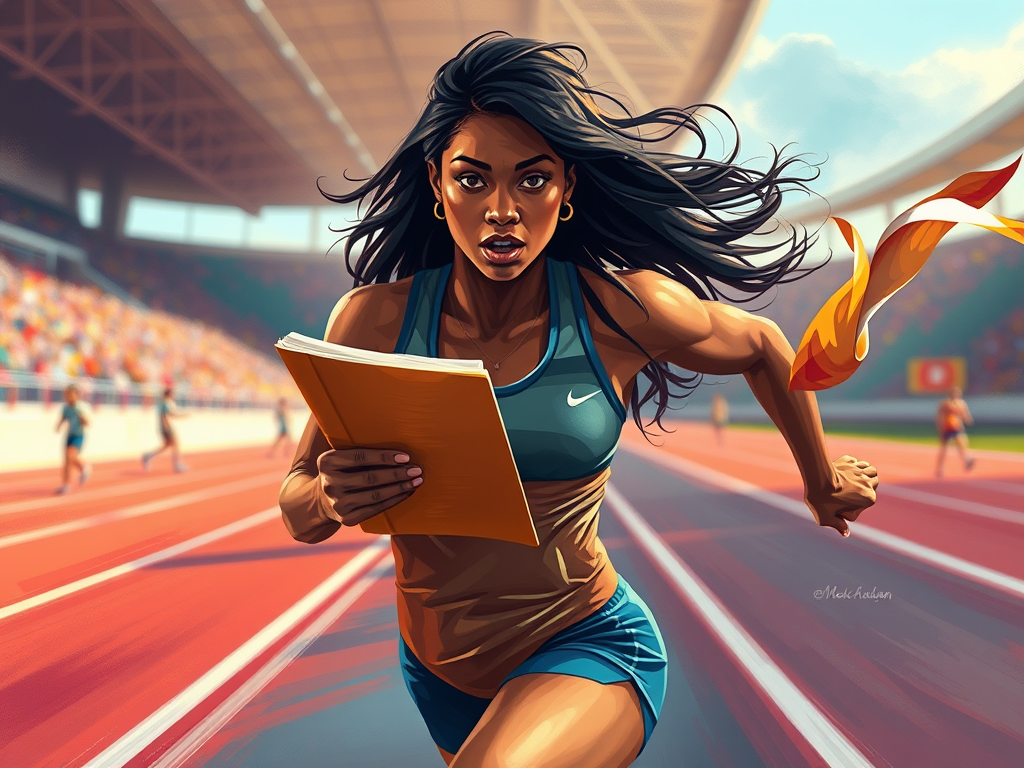
Think of writing like a track meet. You don’t just “run a marathon” out of nowhere. Athletes train for the marathon. Think of yourself as that athlete and steal a play from their book:

•  Warm-up sprint – Start every session with a five minute free-write. No editing, no pressure. Just get the blood flowing—like stretching before a race. For me, writing short stories is like my warm-up for writing a novel. Writing short is fun! It’s a way of brainstorming something quick, sweet, and to the point. It avoids that saggy middle that sometimes people have a hard time getting through. Short fiction is a complete story that I know I can finish, quickly. So, this was a good start for me.

•  Interval drills – Take twenty-five minutes to focus on your writing project. Then take ten minutes to relax. Call it “writer’s reps.” During the break, stand up, and stretch. Make your hands into two balled fists. Then open them, as wide as you can, stretching your fingers apart to keep them from cramping. Taking breaks is important. So you don’t burn out, and you maintain balance throughout your day. Short periods of not looking at a computer screen or paper refreshers your mind.

•  Cool-down lap – Read over your work with an opened mind. Check for clarity and comprehension. Consider “what worked?” Notice the good qualities of your writing and what needs to be improved. Athletes are coached. Of course, you can hire a writing coach or you can follow my advice and be your own boss.

•  Repetition – Athletes have trainers. You have a planner: yourself, a schedule, and a device that provides the time. Make writing a part of your everyday life, like eating food and drinking water. Do it regularly, so it becomes easier. The most common writing practice is keeping a self-reflection journal. This type of routine journaling is amazing for therapy and memorabilia (especially when traveling to new places).

Pro tip: Document your progress on a scoreboard—mark every session with a red X on your calendar. After seven X’s, reward yourself. Not with junk—something dumb-fun, like buying a new pen or the latest bestseller written by your favorite author.

“You got this!”

Morning Muse vs. Midnight Mind

Morning Bird

You’re up before the sun, brain sharp, coffee steaming. Steal from early-risers like marathoners: do your hardest sprint first—twenty-five minutes before breakfast. No distractions yet, no inbox, just you and the page. Pro: you finish before life gets loud. Con: if you crash by noon, you’ve got zero left for editing. Fix it—save the cool-down lap for lunch. Reward? A walk in daylight. Feels like winning.

Night Owls

You hit peak flow when the world’s asleep—perfect for interval drills. Start at nine PM: twenty-five on, five off, till midnight. Dim lights, headphones, maybe a candle for drama. Pro: zero interruptions, pure silence. Con: morning brain feels like sludge. Hack it—keep a “warm-up” ritual (tea, stretch) to ease into the day without forcing words. Reward? Sleep in, no guilt.

Either way: don’t fight your wiring. Test both for a week—track your energy, word count, mood. One’ll click and remember you’re in it for the long haul—for the push! You want to write something that nobody has ever read. You want to do something different. Spill your guts! Make people feel what you write. You have all the time in the world. Create the best story ever!

Thank you for reading K.B. Krissy’s blog. Feel free to tap the like 👍🏾 or repost 🔁. 
Subgenre Benders: 10 Fun Fiction Mash-Ups

Tired of reading the same old recycled romance? Boy meets girl, they fall in love, boy loses girl, he fixes it, and they live happily ever after. Let’s face it. Many of our troupes have grown trite. How many fresh angles can the industry produce on a played out scenario before we get sick of reading them?

Now, when I’m searching for something else to read, I go out of my way to find newer unconventional material. I’m glad I do this because I discovered some pretty outstanding gems! I’ve read romantasy tales with dragon-riding wizards. I sailed through a few cli-fi voyages off the half sunken coast of San Diego. Afterwards, I kicked back with a cozy mystery that was solved over a cup of coffee and biscotti. Then I ventured out and stepped onto a steampunk aircraft rocket.

If none of this sounds familiar, Scribophile is a good web resource for information on the craft of fiction writing. In the article titled, Types of Fiction: The Ultimate Guide with 50+ Subgenres and Examples, Callaghan (n.d.) provides several detailed descriptions of these trending subgenres. Another useful analysis on this topic is published on the Cobblestone Road web-based platform created by Sara A. Noë. The blog post is titled, 162 Different Writing Genres and Subgenres for Fiction Authors. The blogger’s research on the variety of niche categories in creative writing is nicely organized and comprehensive.


Think Harriet Tubman with a steam arm, or a teenager hacking ghosts at an HBCU. I figure, I might as well try something new. If not for the sake of reading, then for writing. If not for the sake of interest, then for the sake of expanding the mind. Let’s get out of our comfort zones and try reading something different, for a change. You’ll thank me later.

If you’re into slow-burning platonic love, haunted libraries, or futures where the planet’s mad at the humans—pull up! I’m also a reader, like you, ready for the chai tea and my daily bread. Let’s explore an imaginative world of books together! No gatekeepers allowed.

1.) ROMANTASY—mix of romance and high fantasy.
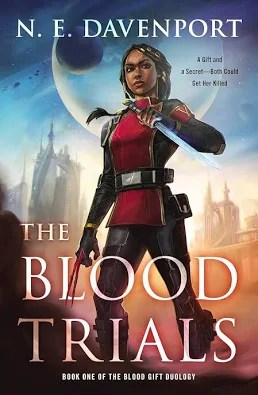
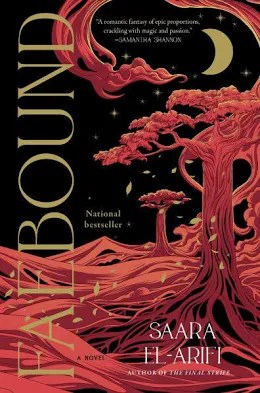
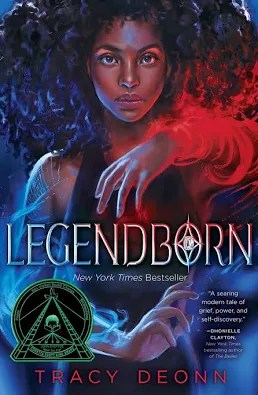
Some great examples of romantasy fiction are Legendborn by Tracy Deonn, The Blood Trails by N.E. Davenport, and Faebound by Sara El-Arifi.

2.) DARK ACADEMIA—elite private (or boarding) school, dark atmospheric.
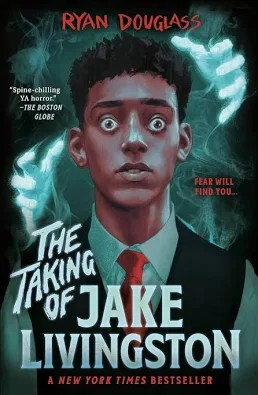
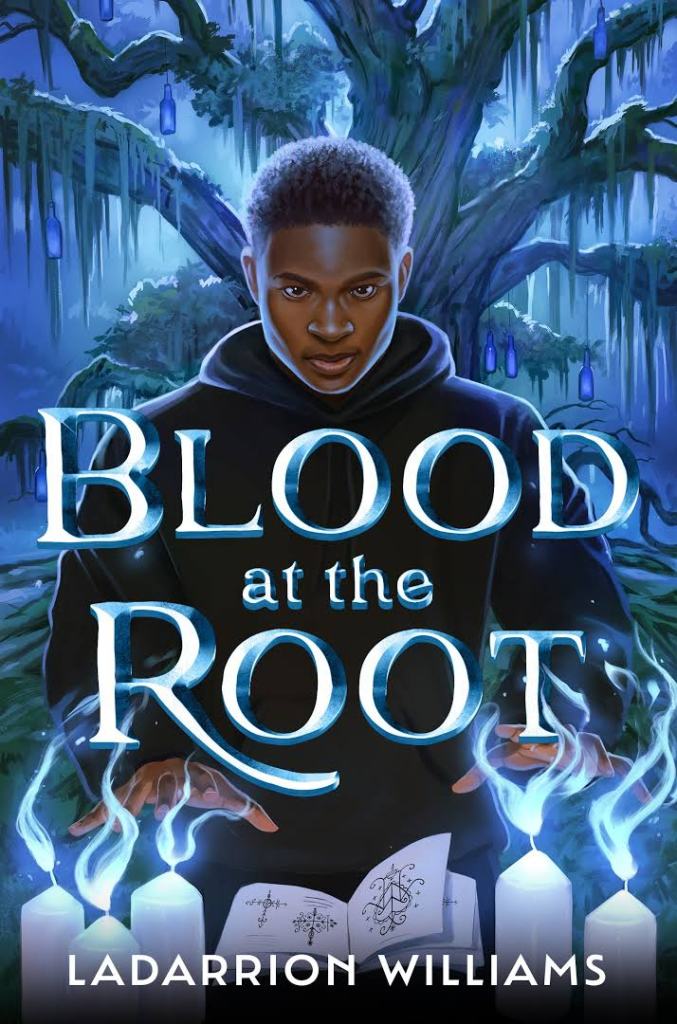
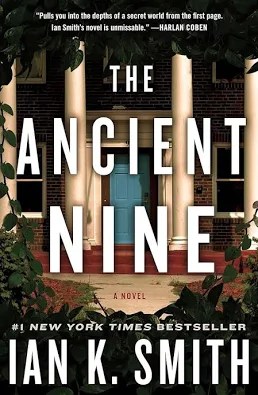
A couple stand out gothic novels are The Taking of Jake Livingston by Ryan Douglass, Blood at the Root by LaDarrion Williams, and The Ancient Nine by Ian K. Smith.

3.) COZY MYSTERY—no blood, no violence, missing people mystery.
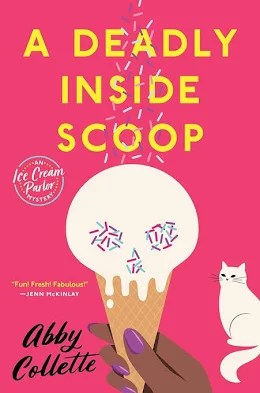
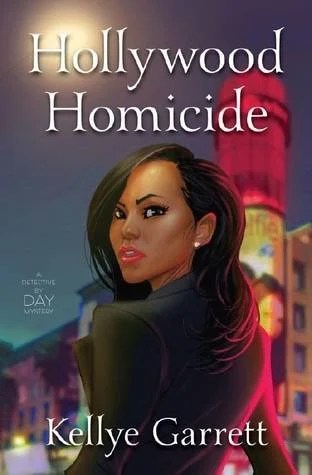
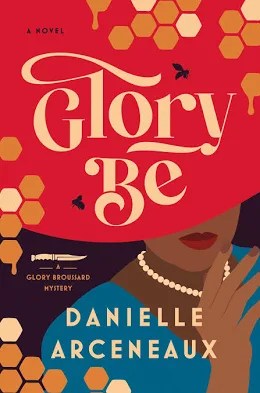
A few noteworthy examples are A Deadly Inside Scoop by Abby Collette, Hollywood Homicide by Kelley Garrett, and Glory Be by Danielle Arceneaux. Cozy pet mysteries also emerged from this genre.

4.) DOMESTIC THRILLER—home and community thriller, centered around everyday life.
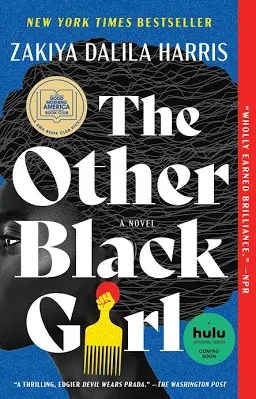
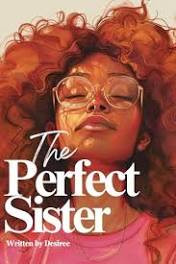
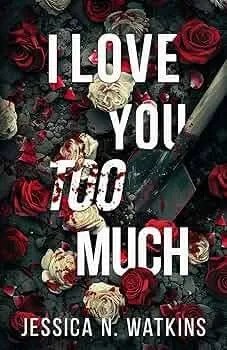
A few riveting domestic thriller novels are The Other Black Girl by Zakiya Dalia Harris, The Perfect Sister by Desiree, and I Love You Too Much by Jessica N. Watkins.

5.) POLITICAL THRILLER—high-stake suspense around real politics, past and present.
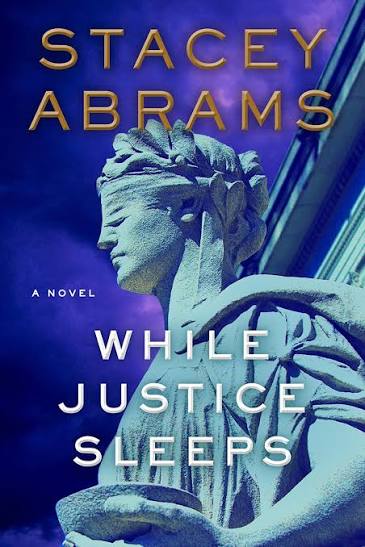
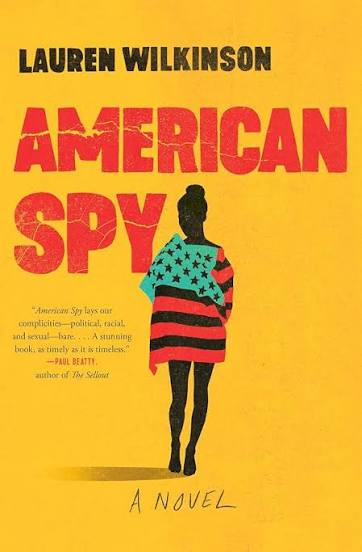
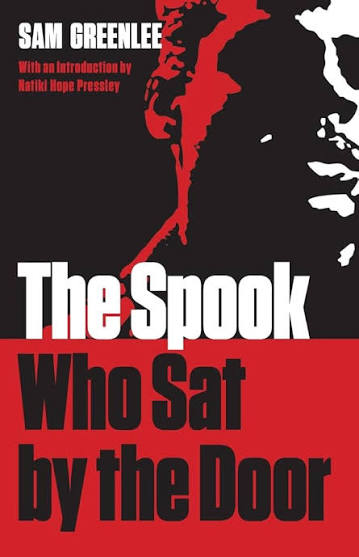
My two millennial top picks are While Justice Sleeps by Stacey Abrams and American Spy by Lauren Wilkinson. Another outstanding political thriller worth-reading is titled, The Spook Who Sat by the Door written by Sam Greelee.

6.) TWEEN THRILLER—middle-school grade thrillers.
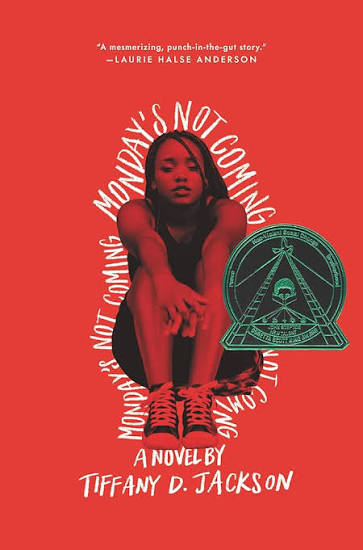
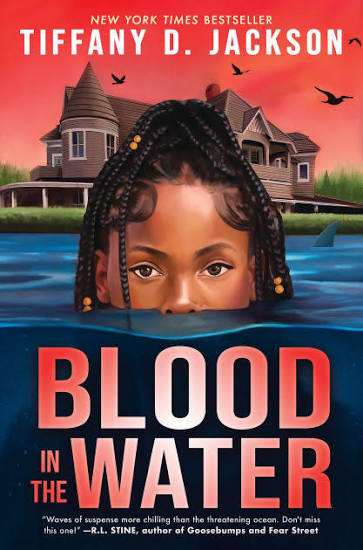
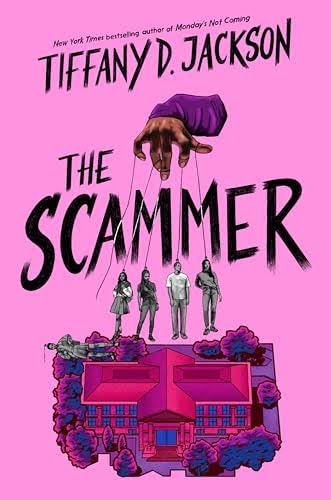
A critically acclaimed author known for writing several best selling young teen thrillers is Tiffany D. Jackson. Monday’s Not Coming is a tween NAACP award-winning psychological thriller. Jackson also has several other page turners, as well. Two of them are titled, Blood in the Water and The Scammer.

7.) CLI-FI (climate fiction/eco-fiction)—climate change or natural disasters, including dystopia and solarpunk subgenres.
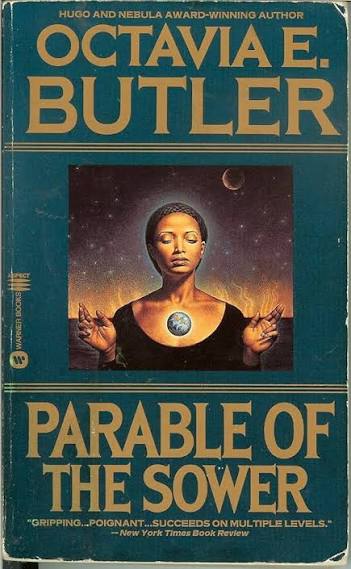
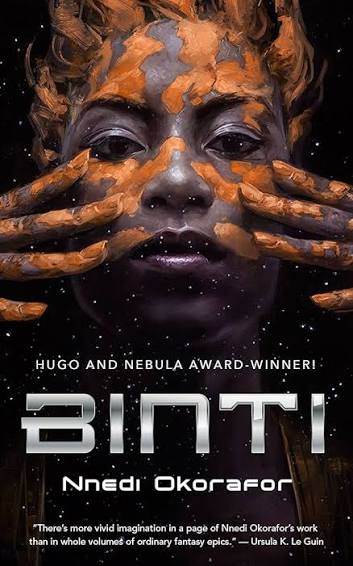
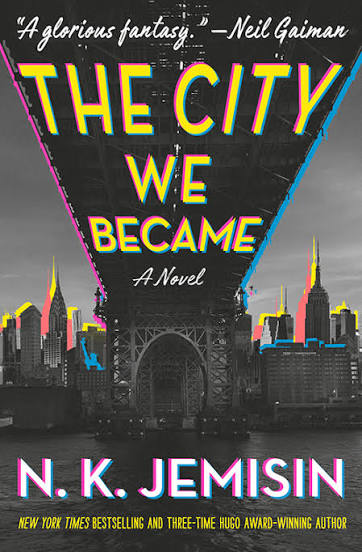
The greatest most timeless novel of the millennium is Parable of the Sower by Octavia E. Butler. Two other epic cli-fi novels are Binti by Nnedi Okorafor, and The City We Became by N.K. Jemisin.

8.) CYBERPUNK—neon city, futuristic high-tech sci-fi.
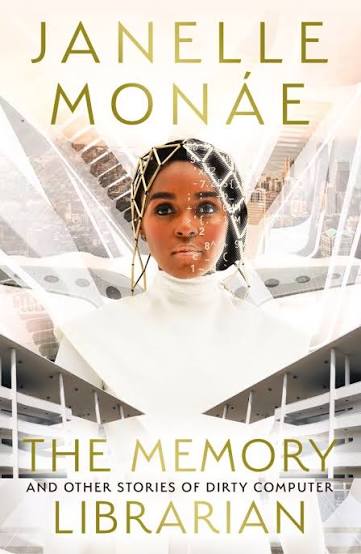
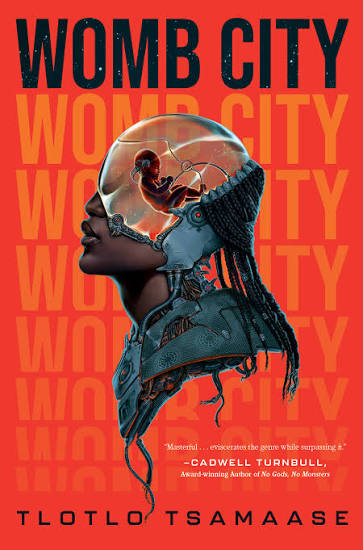
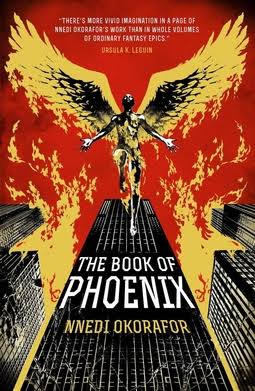
Three genre-bending cyberpunk novels are The Memory Librarian: Other Stories of Dirty Computer by Janelle Monáe, Womb City by Tlotlo Tsamaase, and The Book of Phoenix by Nnedi Okorafor.

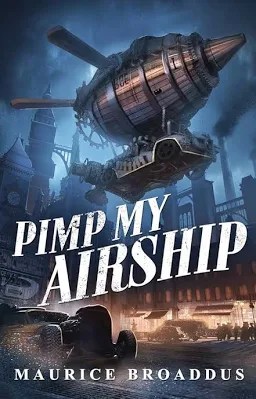
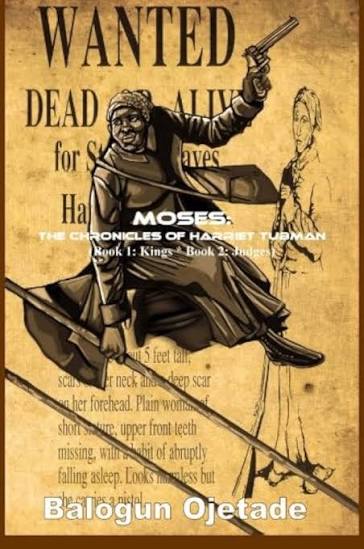
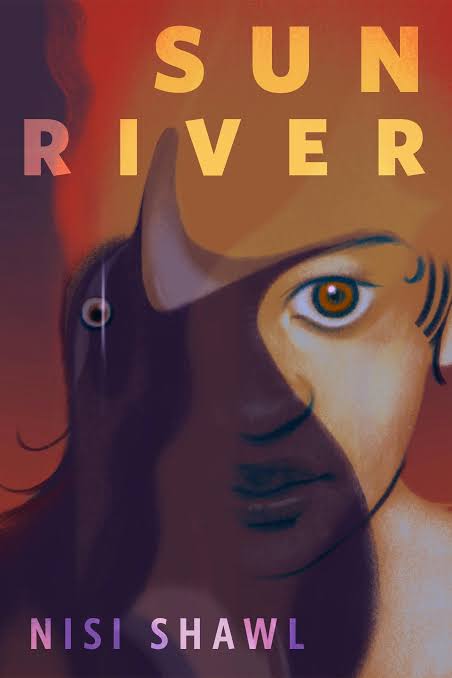
9.) STEAMPUNK—a world that emphasizes industrialization or steam-powered machine-built engines. Three magnificent steampunk narratives are Pimp My Airship (novella) by Maurice Broaddus, Moses: The Chronicles of Harriet Tubman by Balogun Ojetade, and The Raines of Castle Cloud (novella) by Nisi Shawl.

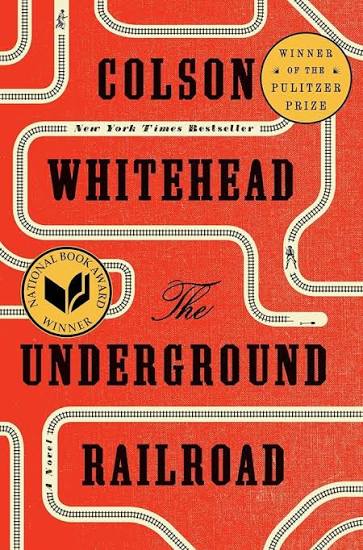
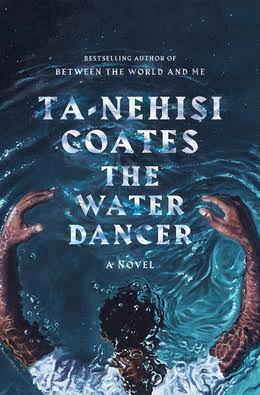
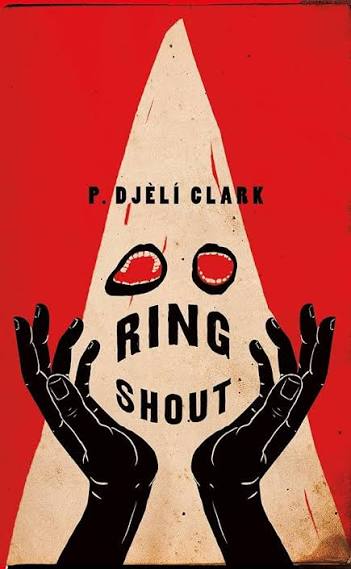
10.) HYBRID HISTORICAL FICTION—fantasy historical fiction, including futuristic or speculative. Three hybrid historical fiction masterpieces are The Underground Railroad by Colson Whitehead, The Water Dancer by Ta-Nehisi Coates, and Ring Shout by P. Djèlí Clark.

There you have it—ten genres worth exploring on the fiction highway. Turns out the journey of “what if” is wider than we imagined. Us, authors, are claiming every lane, too. If any of these book covers caught your eye, then I’ve done my job. I hope I’ve inspired you to read, write, or just allow your imagination to wander a little further off the map.

Know of any other millennial genres I missed? Drop a comment and let me know. Which subgenres fascinate you? Got a favorite I overlooked? I’m always on the quest for my next book getaway.

Thank you for reading K.B. Krissy’s blog. Feel free to tap the like 👍🏾 or repost 🔁. 
References

Callaghan, F. (n.d.). Types of fiction: The ultimate guide with 50+ subgenres and examples. Scribophile. https://www.scribophile.com/academy/types-of-fiction-the-ultimate-guide-with-50-subgenres-and-examples

Noë, S. A. (2022, May 2). 162 different writing genres & subgenres for fiction authors. On The Cobblestone Road. https://onthecobblestoneroad.com/different-writing-genres/

Unlocking the Power of Subplots in Fiction

Let’s get one thing straight: if your story’s a tree, than the subplot is a branch. It’s the unexpected limb that sticks out there the whole time. You just didn’t see it because of all the leaves, which are like the details of your narrative. If you’re writing fiction and you want your book to be a bestseller, you need to master the art of the subplot.

So, what’s a subplot? A simple definition is written in a larger font below. Think of it as the narrative’s side story, giving your characters extra dimension and your readers more reasons to binge-read. It’s the layers that reveal who your main character (MC) really is when life happens.

The Night Circus by Erin Morgenstern is a good example of a novel with compelling subplots. The central romance between two magicians is gorgeous. However, the subplots are just as interesting. There are rivalries among the circus performers. A young boy slowly faces his fate after he stumbles into the circus tent. There’s the mysterious clockmaker’s backstory, too.

Another great example is The Water Dancer by Ta-Nehisi Coates. The MC is Hiram Walker—a young man with a gift for “conduction,” teleporting slaves to freedom. His subplot journey is an awaited reunification with his mother, who vanished years ago. Every memory, every half-truth he uncovers about her life and his birth stretches out the plot.

A subplot might not change the main outcome, but it gives readers an opportunity to see the world through your MC’s eyes. Sure, you might get away without one in a short story—especially if you’re laser-focused on a single, powerful theme. Yet, a novel without a subplot? That’s like a playlist with only one song.

A subordinate plot in a novel, or similar work.

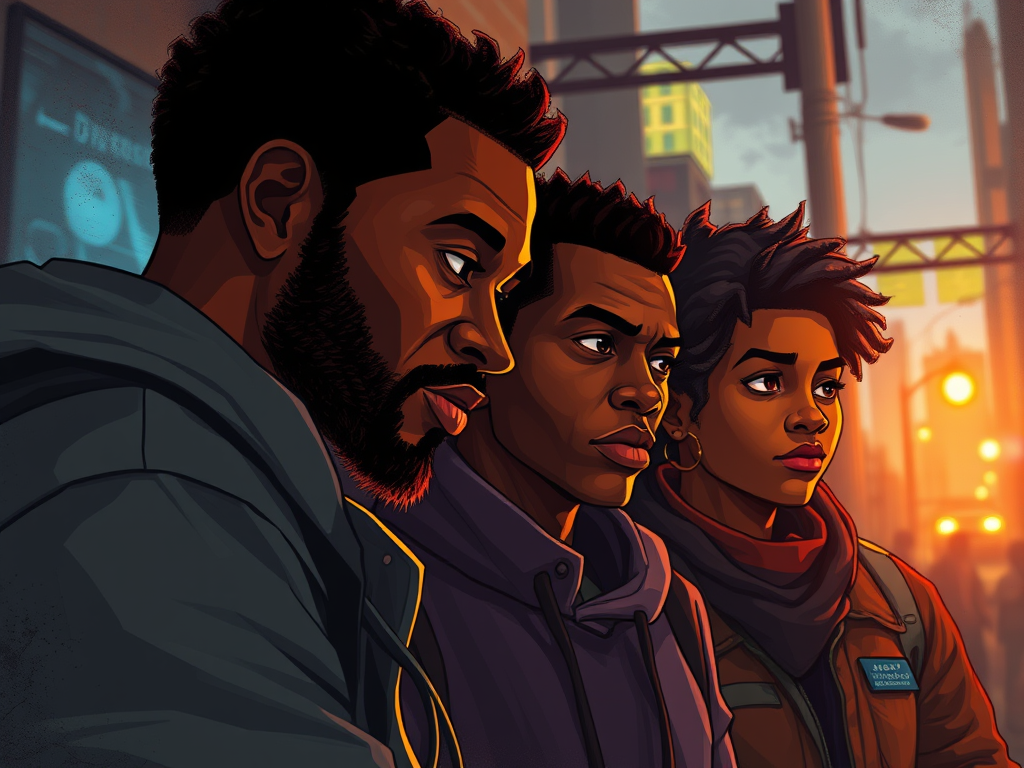
A close-up illustration of three friends, two men and one woman, standing together with serious expressions in an urban setting during sunset. AI generated.
Three characters in an urban setting, contemplating life and their intertwining stories. AI generated.

You know that saying, “If it ain’t one thing, it’s another?” That’s real life—and it’s what makes stories feel authentic. Imagine a world where nothing ever happens except the one thing you planned. Boring, right?

Living in a world with just nouns is flat. A hat, the moon, a doctor. Verbs set nouns into motion. Yet, adjectives and adverbs make stories amazing. That’s how subplots work! The plot brings a beginning, middle and end into existence while the subplot brings the narrative to life. They let your characters live in full color, not just black-and-white. As Whitney Hemsath puts it:

Main plot is the what. Subplot is the why.

Let’s break down why a killer subplot is your book’s secret weapon:

1) Story Dynamics—Ever had one of those days where everything happens at once? That’s the energy a subplot brings—realism, unpredictability, and momentum. Life doesn’t follow a single track, and neither should your story. Subplots mimic that “always-on” hustle and keep your pacing alive.

2) MC’s Growth— Subplots force your main character to face side challenges, make tough choices, and reflect on what really matters. This is where the character arc gets juicy. Readers don’t just see change—they feel it, like they’re growing alongside your protagonist. That’s real engagement.

3) Raises Stakes— A subplot turns your story into a high-stakes game. Suddenly, your hero isn’t just chasing love or justice—they’re also risking friendships, careers, or their own identity. These extra complications are what keep readers glued to the page, desperate to see how it all shakes out.

4) Subtle Twist— In thrillers, subplots are where red herrings hide. In every genre, they’re the misdirection, the clever sleight-of-hand that keeps readers guessing. Subplots offer a narrative breather from the main action while discreetly setting up those jaw-dropping twists.

Here’s why this matters: Readers crave stories that are believable, have depth, and immerse them into an unforeseeable well-written adventure. They want the full experience—every setback, every breakthrough, every side quest. A well-crafted subplot is the difference between a story that’s just “meh” and one that’s totally phenomenal. So, start brainstorming your killer subplot now—and watch your story go from basic to unforgettable.

A young woman with curly hair smiles while writing in a notebook at the beach during sunset. AI generated.
A smiling woman writes in a notebook by the ocean, AI generated.

Thank you for reading K.B. Krissy’s blog. Feel free to tap the like 👍🏾 or repost 🔁.
References

Oxford Languages. (n.d.). Definition of [Subplot] [Google Search]. Oxford University Press. Retrieved February 19, 2026, from https://languages.oup.com/google-dictionary-en

DIY MFA. (n.d.). Why your book needs a subplot.https://diymfa.com/writing/why-your-book-needs-a-subplot

Hemsath, W. O. (2019, October 14). Subplots: Purposes, types, and examples. https://whitneyhemsath.wordpress.com/2019/10/14/subplots-purposes-types-and-examples


A Tall Tale: 20 Styles of Poetic Prose

Do you enjoy making up stories, producing novels, or publishing blog posts? If so, then you’re probably like me. I love blogging for you all, but creative writing is truly my jam! There’s this thrill in building a script or novel from scratch. There’s an opportunity for originality, to be one with your work. Authentic writing has a style it carries. Literary and genre art are inventive, giving us writers space to layer our narratives in lush poetic language. Your work can cause people to feel your stories, depending on how you design them. That’s the magic of writing: when your words don’t just sit on the page. They move people, even if only for a moment.

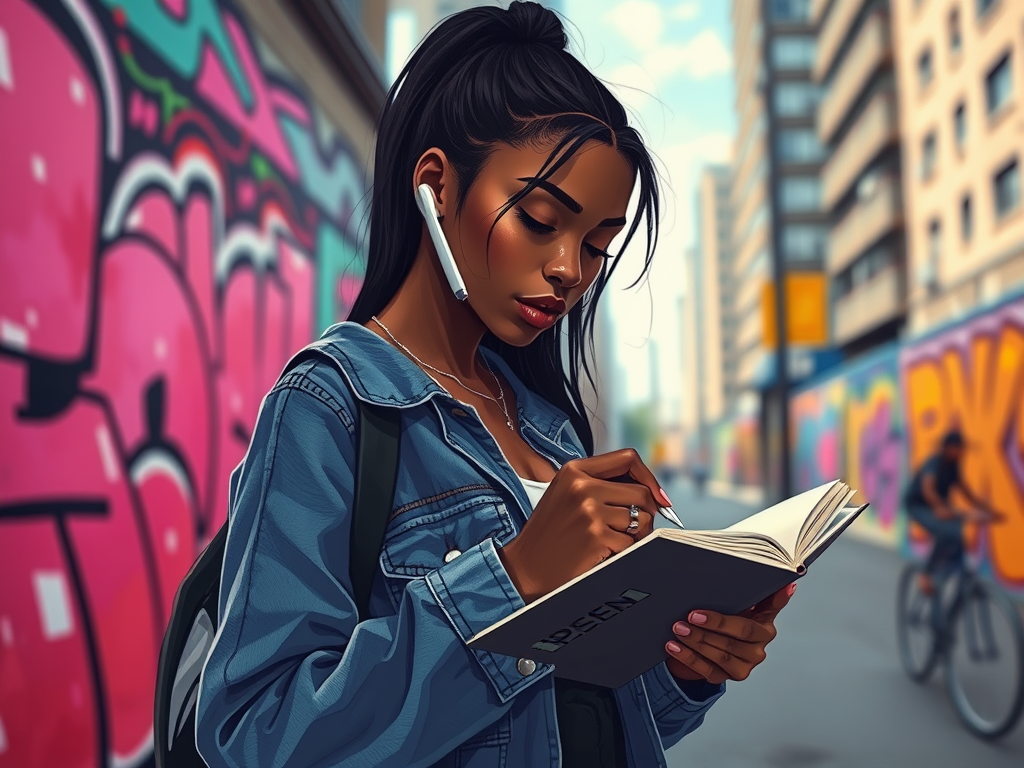
A young woman wearing wireless earbuds writes in a notebook while standing in front of a colorful graffiti mural in an urban setting.

If you’ve ever read a good book that grabbed you and wouldn’t let go, you know what I mean. Those stories exist! They’re out there. The ones that seem to reach inside your chest and tug at your heart. Writing like that doesn’t happen by accident. It takes skill, intention, and a real grasp of technique. That’s why I’m happy to share with you 21 poetic techniques that will help shape your prose into something amazing:

#1.) ALLITERATION—repeating the same initial consonant sounds in nearby words to create rhythm and emphasis (ex: Peter Piper picked a peck of pickled peppers).

#2.) METAPHORS—a figure of speech, a word or phrase is applied to an object or action, comparing two things by saying one is the other, even though it isn’t literally true.

#3.) SIMILES—a figure of speech involving the comparison of one thing with another thing of a different kind, used to make a description more vivid, linked by words, ‘as’ and ‘like’.

#4.) HAIKU—a traditional Japanese form of short poetry, consisting of three lines with a 5, 7, 5 syllable structure, focusing on nature, using simple evocative imagery.

#5.) ANALOGIES—a comparison between two things, typically for the purpose of explanation or clarification.

#6.) ASSONANCE—in poetry, the repetition of the sound of a vowel.

#7.) RHYME—correspondence of sound between word endings of words, especially when these are used at the ends of lines of poetry.

#8.) ONOMATOPOEIA—the formation of a word from a sound (ex: pow, boom, bang).

#9.) PARADOX—a seemingly simple or self-contradictory statement or idea that when investigated or explained may prove to be well founded or true.

#10.) PERSONIFICATION—the attribution of a personal nature or human characteristics to something nonhuman, or the representation of an abstract quality in human form.

#11.) OXYMORON—a figure of speech, contradictory terms are in conjunction (ex: smart dummy).

#12.) HYPERBOLE— exaggerated statements or claims not meant to be taken literally.

#13.) PUN—a joke exploiting the different possible meanings of a word or the fact that there are words which sound alike but have different meanings.

#14.) IDIOM—a figure speech, a phrase having a meaning not intended from the individual words, not literal (ex: raining cats and dogs, see the light ).

#15.) SYMBOLISM—the use of symbols to represent ideas or qualities.

#16.) TONE/MOOD—the attitude of a place, piece of writing, situation, etc.

#17.) DICTION/SYNTAX—the choice and use of words and phrases in speech or writing.

#18.) EPITHET—a descriptive phrase expressing a characteristic of a person or thing.

#19.) FORESHADOWING—be a warning or indication of (a future event).

#20.) PASTORAL—a work of literature portraying an idealized natural setting.

These literary devices can turn any decent piece into something unforgettable. My personal favorites are metaphors, similes, personification, and pastoral excerpts. I enjoy incorporating nature into my work because the natural world is a form of poetry in itself. I don’t get enough of describing various settings and composing vivid pastures. If you want to get the best out of writing, experiment with these tools, and learn how to weave them into your next story. You may just surprise yourself—and your readers.

A young man sitting on a balcony by the sea, writing in an open notebook with a pen, palm trees in the background.

Thank you for reading K.B. Krissy’s blog. Feel free to tap the like 👍🏽 or repost. ☺️

Finding Your Ideal Circle: What Matters Most

Daily writing prompt
Who are your favorite people to be around?

The people I want to call my favorites don’t exist—at least, not in my world, yet. Sometimes I meet them in the pages of the stories I craft, but what I really want is for them to exist. I picture this magnetic network: writers, dreamers, innovators, all riffing off each other’s energy. Maybe it’s not even a big network—maybe it’s just five genuine friends, sprawled on a couch, laughing about nothing and everything.

What matters is the vibe! 🥳 We’d show up for one another, open doors for each other, make room for everyone to shine. A crew of creators who actually give and take. That idea lights my fire! Does a group like this exist? If you know one, point me in their direction. Those are the ones I’d want to give my best hours to—the ones I’d want to meet for coffee, just to find out what makes them tick.

I imagine us as a magnificent mix of listeners and thinkers. We never hoard ideas—we toss them around, swap stories, and blurt out puns on purpose. If I were a little braver, I’d seek those people out. I’d chase them down for their time, their friendship, their perspectives. I’d follow them anywhere, and hope they’d follow me back. That’s the kind of community I crave. A place where everyone gets to win! 🏆

K.B. Krissy

The Write Life

Skip to content ↓